
One honest note before we go further: Chicago's climate is not arid, and homeowners here generally don't face the year round drought pressures or the sky high water bills seen in places like Phoenix or Las Vegas. What Chicago does face is inconsistent summer rainfall, periodic dry spells in July and August, and a lot of wasted effort keeping thirsty turf alive through those stretches. So while we use the term drought-tolerant, the real problem we're solving here is heat stress and high maintenance burden, not chronic water scarcity.
Drought-Tolerant Landscaping in Chicago
When Your Lawn Gives Out Every July
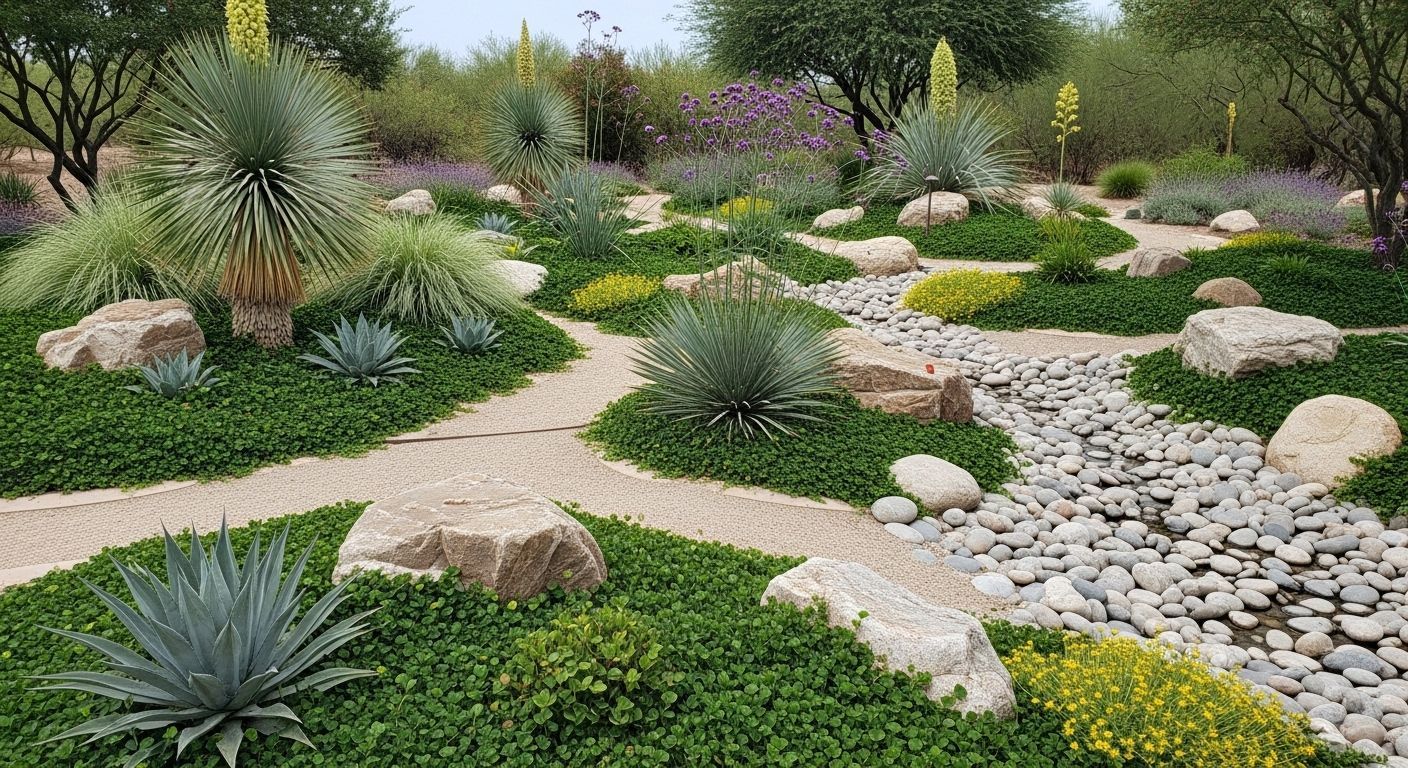
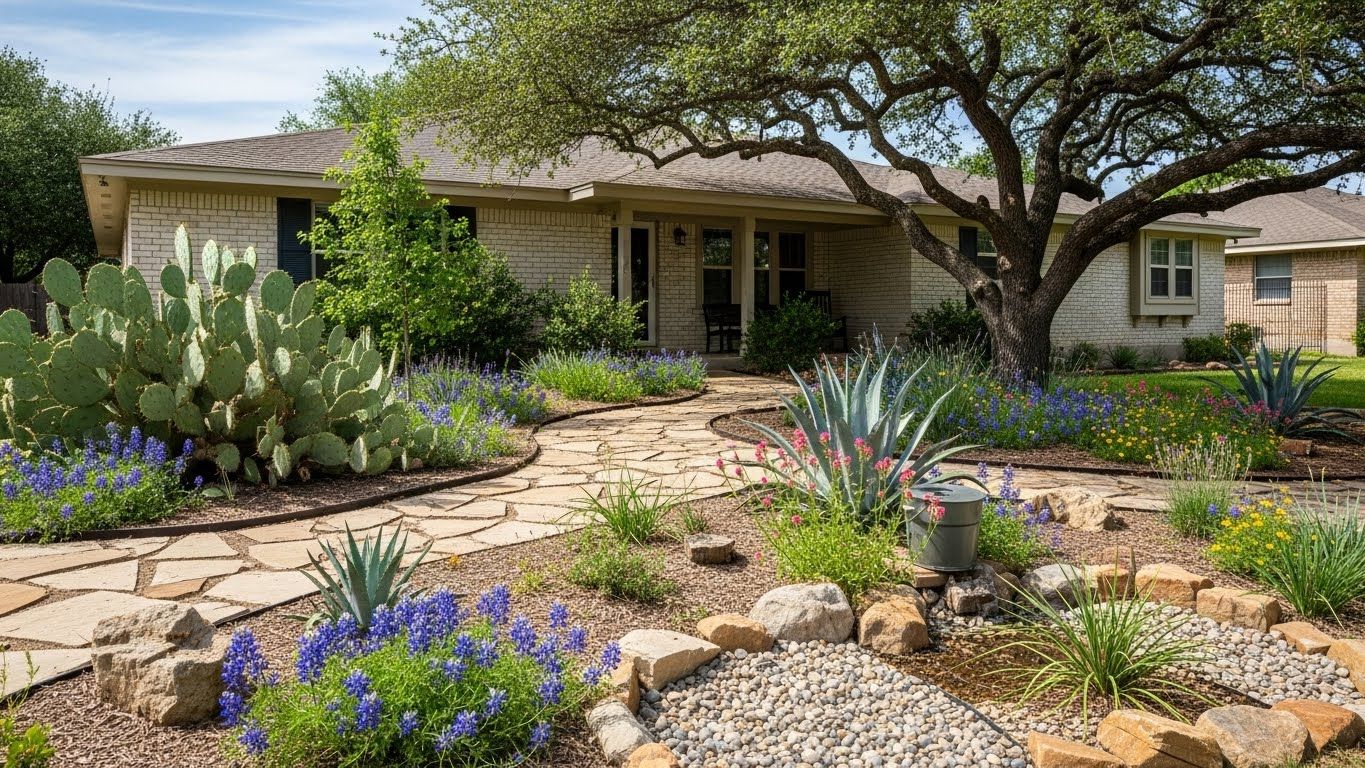
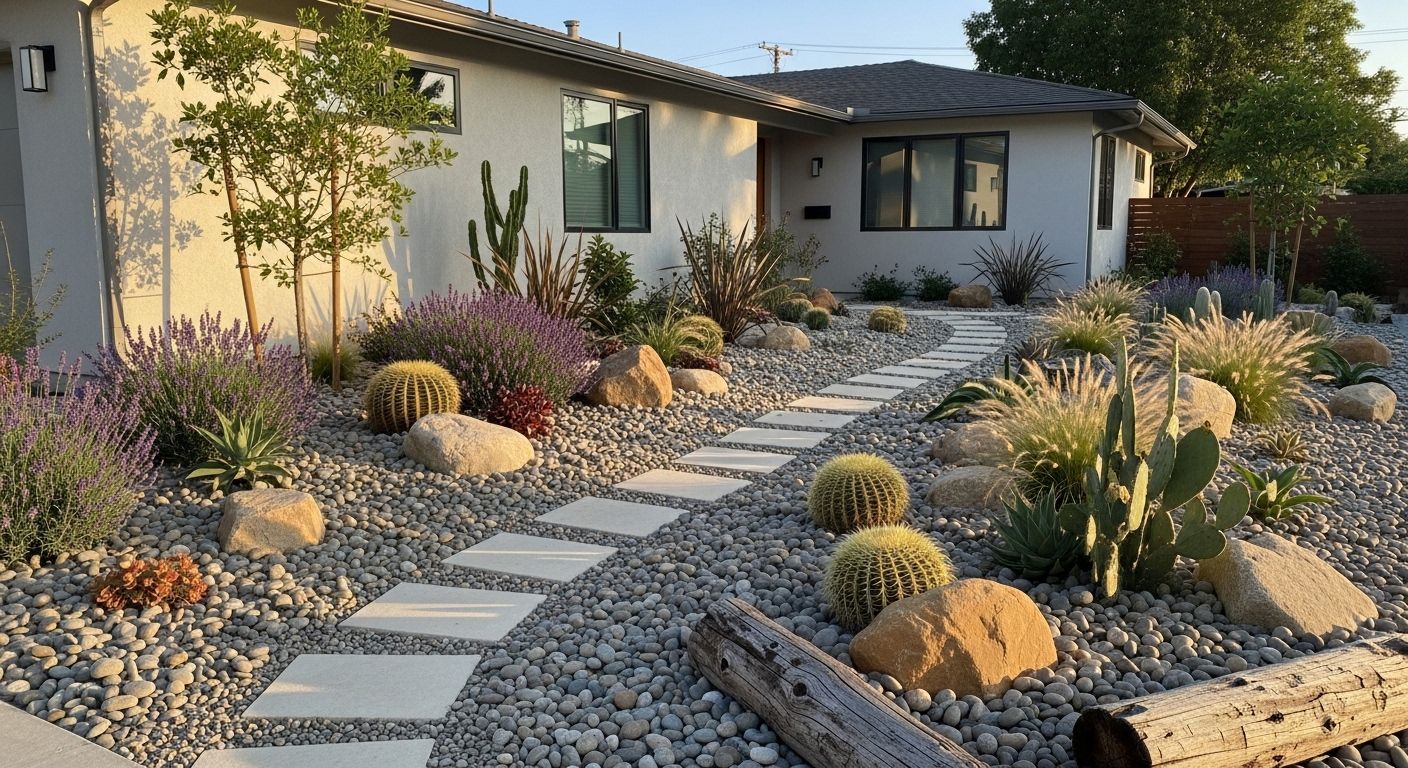
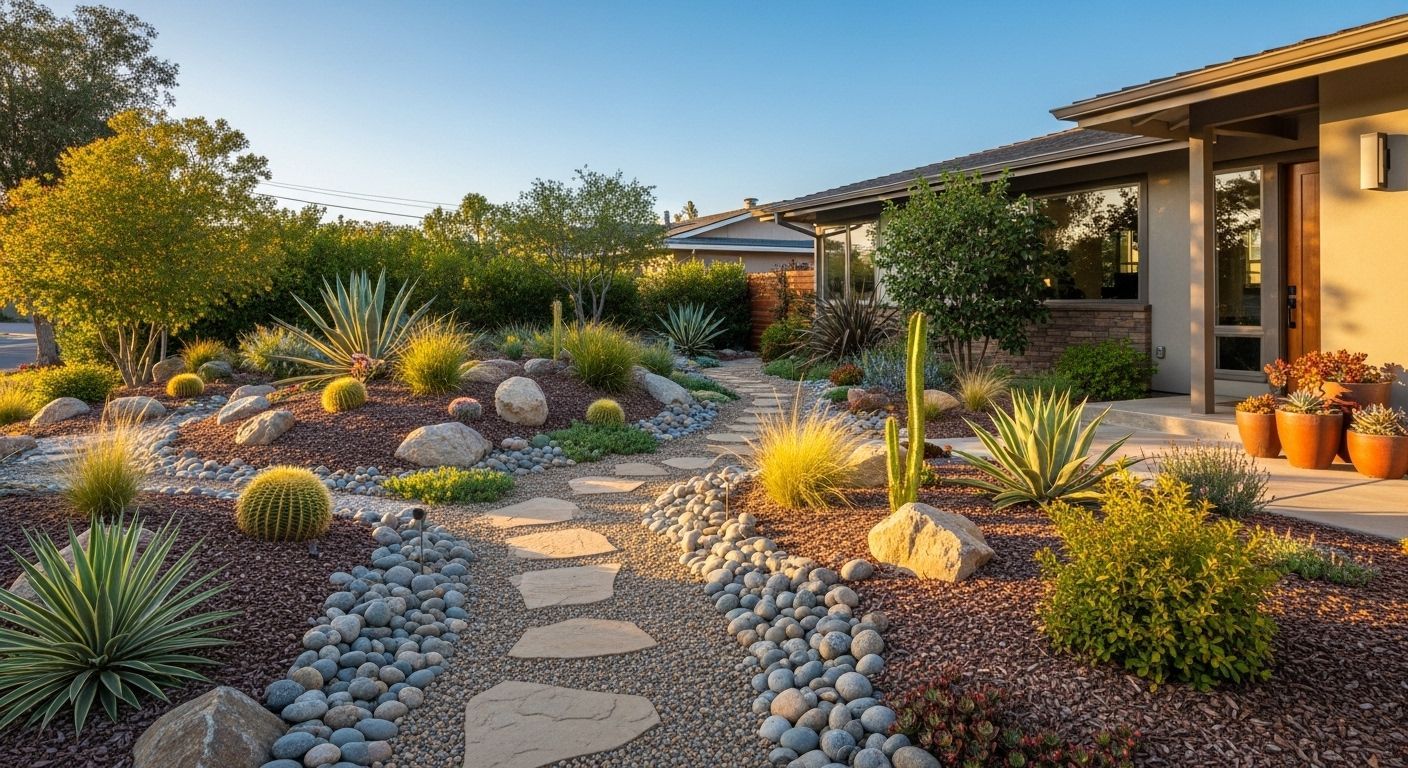
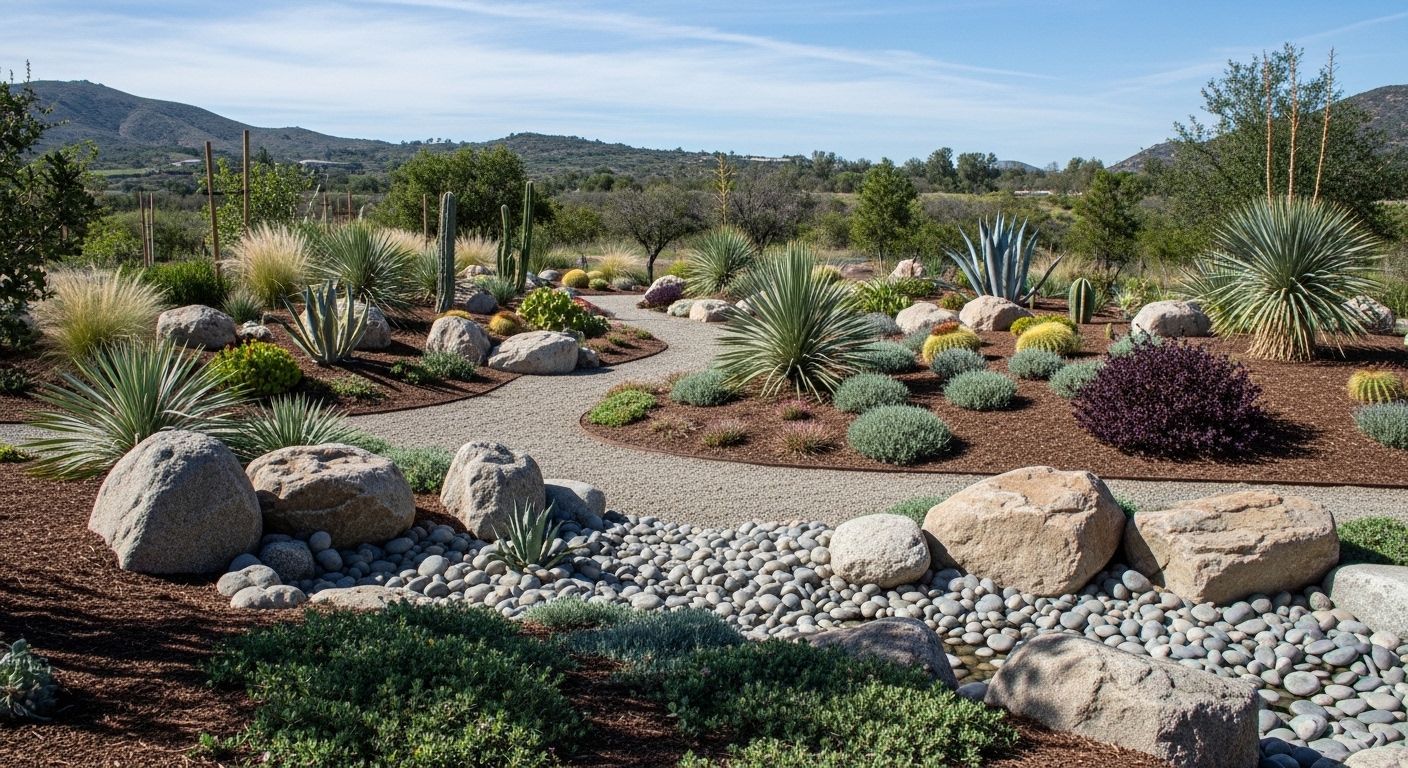
If your lawn goes from green to brown every summer once the July heat sets in, you're not imagining it, and you're not alone. Chicago doesn't have a desert climate, but it does get real dry stretches during peak summer months, and traditional turf simply isn't built to handle that stress well. Drought-tolerant landscaping from Chicago Xeriscaping solves this directly, replacing high-maintenance, water-hungry lawns with resilient native and prairie plantings that hold up through Chicago's hottest, driest weeks instead of dying back and needing constant watering to recover.
Design That Starts With Your Property
Get a Free Quote
Contact Us
Xeriscape Design, Native Plant Installation & Drought-Tolerant Landscape Solutions
Satisfied Clients


Why Traditional Lawns Struggle Here
Turf grass has shallow roots, typically just a couple inches deep, which means it depends on frequent surface watering to survive even a short dry spell. When Chicago summers deliver two or three weeks without meaningful rain, which happens most years, that shallow root system simply can't reach any reserve moisture, and the lawn goes brown fast. Homeowners respond by watering more, mowing more, and fertilizing more, pouring time and money into a plant that was never suited to the conditions in the first place.
Plants That Actually Handle Chicago's Dry Spells
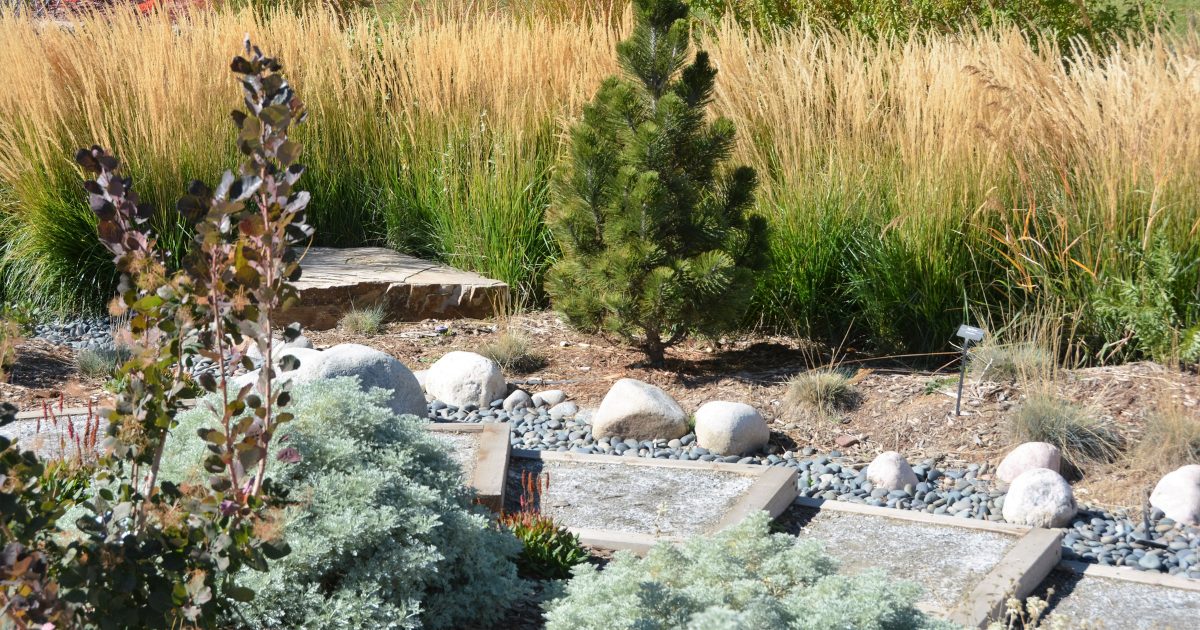
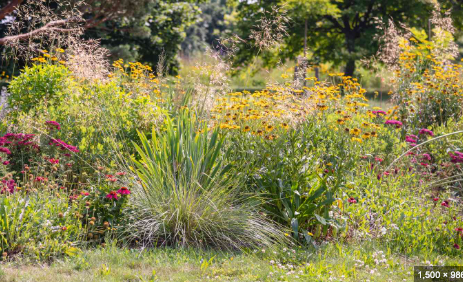
A well designed drought-tolerant landscape in this region draws from an entirely different plant palette than a traditional yard, built around native prairie species that evolved to survive exactly this kind of intermittent dry stretch. We frequently work with Illinois native plants, including deep rooted prairie grasses like little bluestem and switchgrass, flowering perennials such as coneflower and black eyed susan, and hardy shrubs that provide structure through every season. Groundcovers play a major role too, filling in bare soil, suppressing weeds, and reducing erosion while requiring far less water than turf once established. Many of these lawn alternatives also cut mowing dramatically, giving homeowners their weekends back.
Soil Amendment Sets the Foundation
Drought-tolerant native plants perform best when the soil underneath them is prepared properly. We amend soil before planting to improve structure and drainage, since Chicago's dense clay can actually work against deep rooted natives if left uncorrected. Poorly draining, compacted soil is one of the most common reasons new plantings struggle, and proper amendment upfront prevents that problem before it starts.
Deep-Root Watering for Long-Term Resilience
Once plants are in the ground, how you water matters just as much as what you plant. We design and recommend deep-root watering strategies during the establishment period that encourage roots to grow downward in search of moisture, rather than staying shallow and watering dependent. Over time, this builds genuinely resilient plants capable of handling a dry July or August with minimal supplemental watering, a sharp contrast to turf that needs watering multiple times a week just to hang on.
Beautiful Through Every Season, Not Just Spring
A well planned drought-tolerant design stays visually interesting across the entire year, layering bloom times, textures, and structural plants so there's always something happening. Research from the Xerces Society and multiple university extension programs has found that established native plantings can reduce fertilizer and pesticide needs by up to 60 percent, meaning less chemical input and less time spent on upkeep, not just less watering during dry stretches.
Xeriscape Near Me?
Ready to Stop Fighting Your Lawn?
If you're frustrated with a high-maintenance lawn that browns out every summer no matter how much time you put into it, drought-tolerant native landscaping offers a genuine, climate appropriate solution. Reach out to Chicago Xeriscaping today to schedule a consultation, and let us help you build a yard that actually holds up through Chicago's dry stretches instead of fighting them every July.