
One quick correction on ecosystem terminology: sagebrush steppe is a plant community found in the high desert regions of the Great Basin, places like eastern Oregon and Nevada, and it has no real presence in Illinois. Chicago's native ecosystem is tallgrass prairie, and that's the plant palette we actually draw from for every xeric garden and native plant installation we design.
Xeric Garden & Native Plant Installations in Chicago
What "Xeric" Actually Means
The word xeric comes from the Greek term for dry, and in landscaping it refers to garden design built around plants that need little supplemental water once established. Out west, that often means cactus and desert shrubs. In Chicago, the equivalent is tallgrass prairie, an ecosystem defined by deep rooted grasses and wildflowers that evolved to survive Illinois' own version of dry stretches, hot summers, and brutal winter freezes, all without a drop of extra irrigation. A xeric garden here isn't a rock bed. Done well, it's a thriving, layered landscape filled with native plants that have spent thousands of years adapting to exactly the conditions found in our region.
Design Styles Worth Falling in Love With
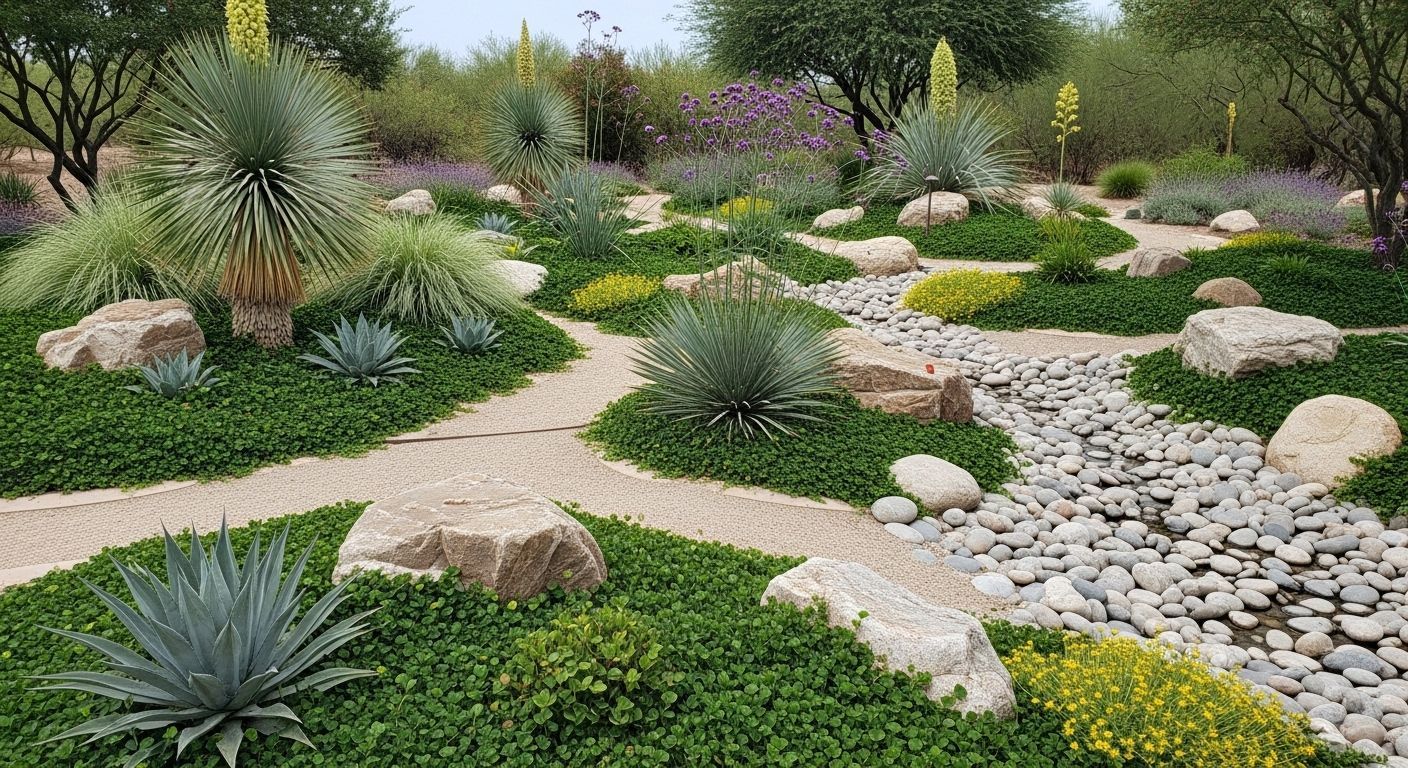
Get a Free Quote
Contact Us
Xeriscape Design, Native Plant Installation & Drought-Tolerant Landscape Solutions
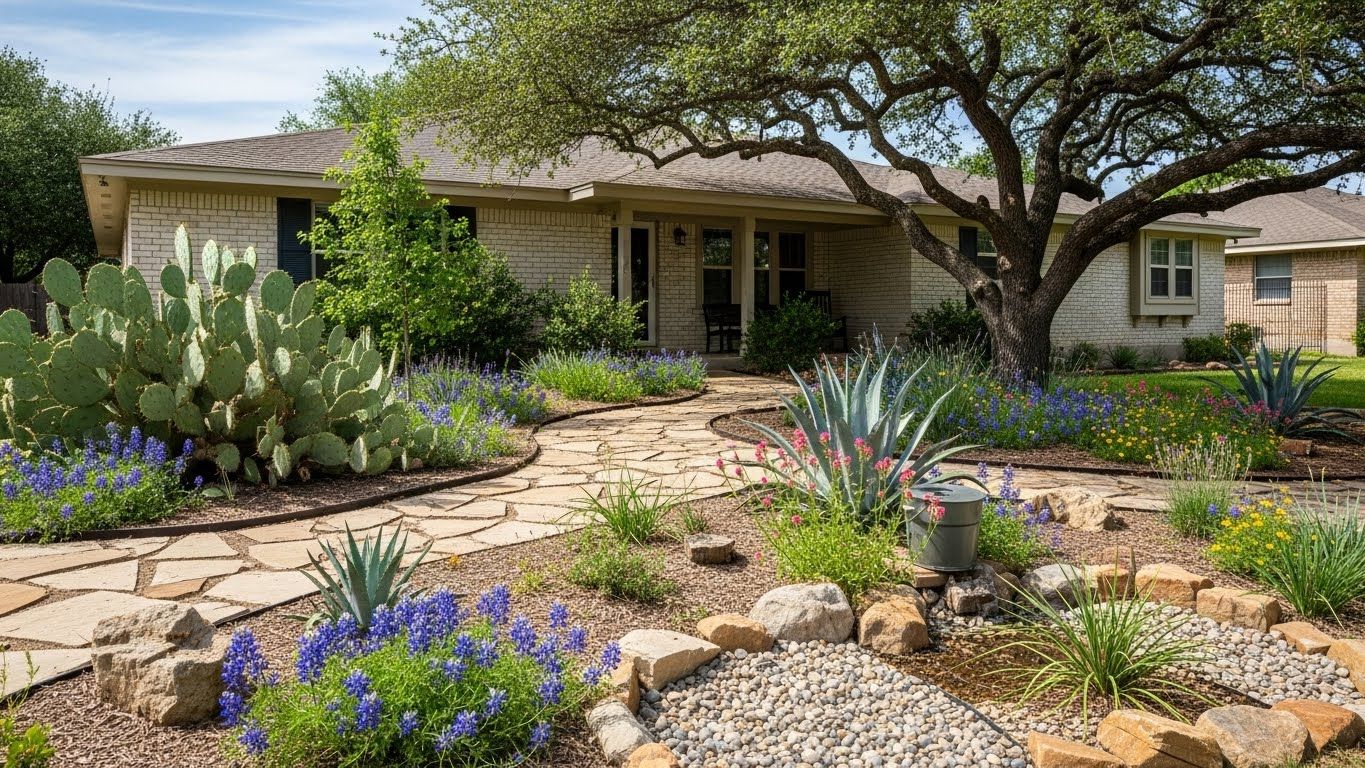
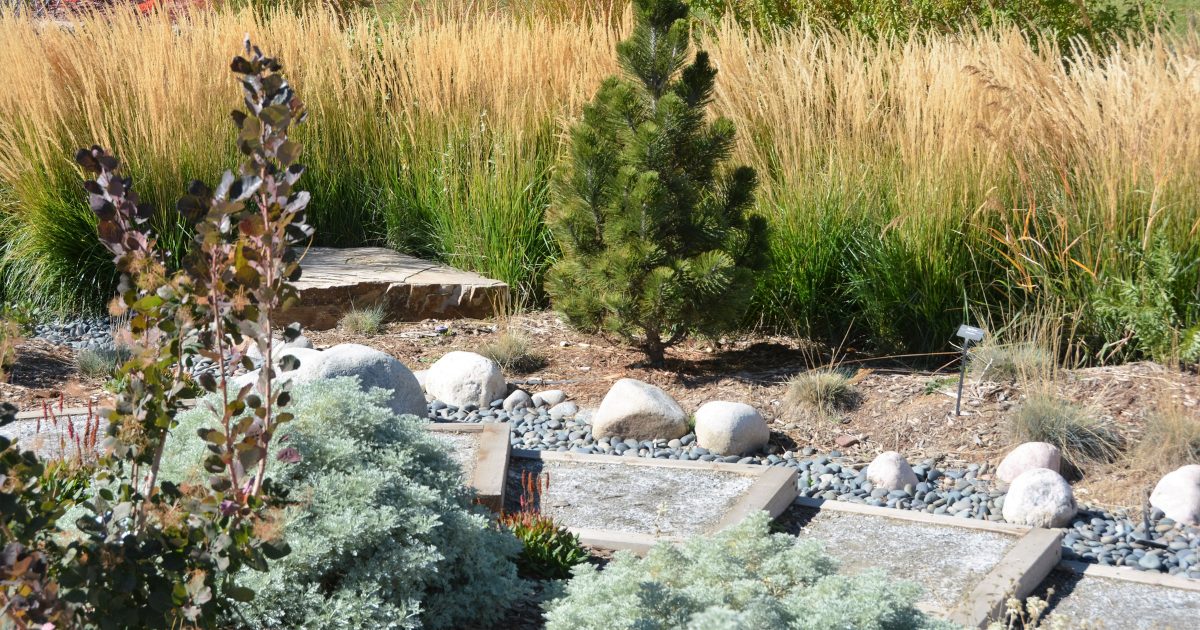
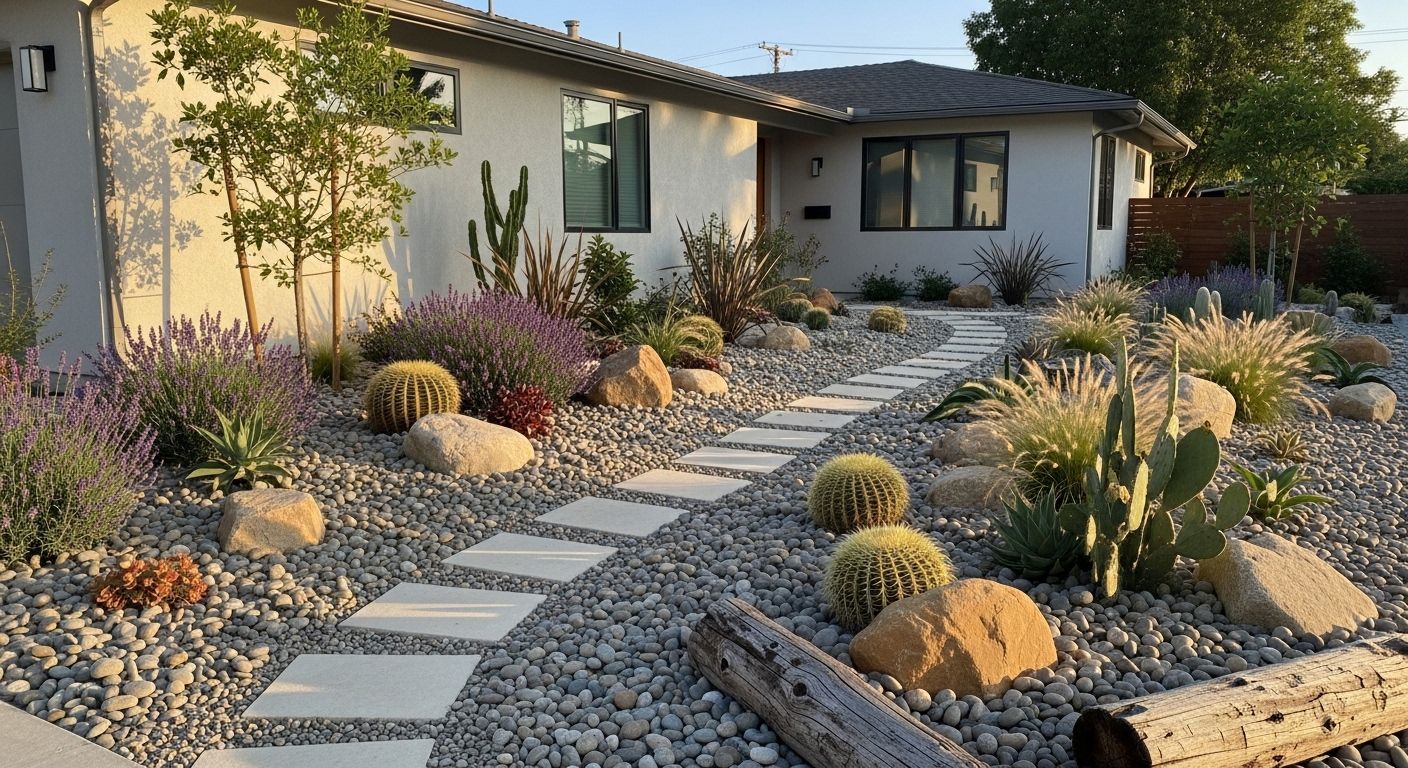
Satisfied Clients


The Native Plant Palette of Chicago
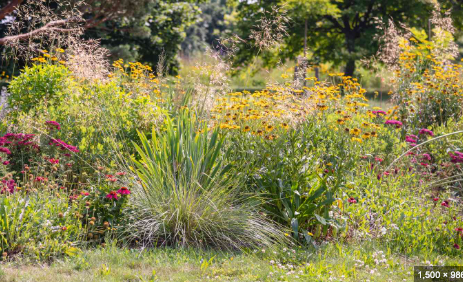
Illinois once held some of the largest tallgrass prairie in North America, and that heritage shapes everything we plant. We draw heavily from this native plant tradition when designing xeric gardens, incorporating flowering wildflowers like purple coneflower and black eyed susan, native grasses such as little bluestem and switchgrass, and structural shrubs that provide year round form even through winter dormancy. Seasonal wildflowers add bursts of color from late spring through fall, while ornamental grasses hold their shape and texture well into winter, keeping the garden visually interesting long after typical annuals have faded. Every plant selection is grounded in real plant identification expertise, so the result reflects an actual regional ecosystem rather than a random assortment of low maintenance plants.
Supporting Local Pollinators
Native plant gardens do more than reduce maintenance. They provide essential habitat for the bees, butterflies, and monarchs that depend on native flowering species for nectar and shelter throughout their life cycles. Non native ornamental plants frequently offer little ecological value to local wildlife, while native species have coevolved with regional pollinators over thousands of years. Research from the Xerces Society and multiple university extension programs has found that native plantings can reduce the need for fertilizer and pesticide use by up to 60 percent once established, since these species already have natural relationships with local soil organisms and beneficial insects that keep them healthy without chemical intervention.
Built to Handle Chicago's Freeze-Thaw Cycles
Illinois native plants are uniquely adapted to the harsh freeze thaw pattern that defines a Chicago winter, a cycle that regularly damages or kills non native ornamentals never designed to handle repeated freezing and thawing. Deep rooted prairie species survive this by storing energy below the frost line, sending growth back up reliably each spring regardless of how brutal the preceding winter was. Once established, many native grasses, wildflowers, and shrubs require little to no supplemental watering, relying instead on root systems built to access moisture deep in the soil during dry summer stretches.
Minimal Fertilizer, Minimal Intervention
One of the most appealing aspects of a well designed native xeric garden is how little it asks of you once established. These plants generally do not need regular fertilizing, and many actually perform worse when overfed, since they are adapted to lean, undisturbed prairie soils rather than rich amended beds. Our team helps clients understand what perennials should not be fertilized heavily, so newly installed native gardens are set up to thrive with minimal ongoing input.
Xeriscape Near Me?
A Landscape Rooted in Place
A xeric garden built from Illinois native plants is more than a low maintenance strategy. It's a landscape that genuinely belongs here, supporting the pollinators, soil life, and seasonal rhythms unique to the Chicago region. Reach out to Chicago Xeriscaping today to schedule a consultation, and let us help you build a native xeric garden suited specifically to your property.